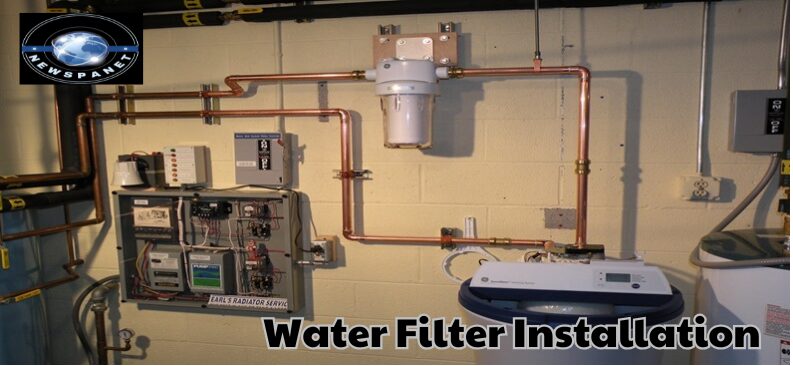
Water Filter Installation
Understanding water filter installation costs is essential for homeowners seeking clean, safe drinking water without overspending. With options ranging from simple under-sink filters to comprehensive whole-house systems, each type has unique cost factors to consider. Whether opting for DIY installation or professional service, being informed about expenses and potential savings will help streamline the process.
This comprehensive guide explores popular water filter types, installation costs, common mistakes to avoid, and maintenance requirements, empowering you to make the best choice for your home’s water quality.
Below is a detailed table summarizing key facts about water filter installation:
| Installation Type | Undersink, Whole House, Faucet, Countertop |
| Average Installation Cost | $100 – $600 (varies by system complexity) |
| DIY Option | Available for most countertop and faucet-mounted filters |
| Professional Installation | Recommended for whole-house and complex systems |
| Common Filter Types | Activated Carbon, Reverse Osmosis, UV, Sediment |
| Maintenance Frequency | Every 6–12 months depending on usage |
| Filter Replacement Cost | $15 – $120 depending on filter type |
| Tools Needed for DIY | Wrench, Drill, Tubing Cutter, Plumber’s Tape |
| Water Quality Impact | Removes impurities like chlorine, lead, bacteria, and sediments |
| Benefits of Filtration | Improved taste, odor removal, and health benefits |
| Potential Savings | Reduced reliance on bottled water |
| Installation Time | 30 minutes to 2 hours, depending on system |
| Space Requirement | Under sink, countertop, or utility area for larger units |
| Common Mistakes to Avoid | Incorrect tubing size, no plumber’s tape, skipping leak tests |
| Typical Warranty | 1–5 years, depending on manufacturer and model |
Typical Undersink Water Filter Installation

Undersink water filters are among the most popular home filtration choices due to their compact design and efficiency. These systems provide a continuous supply of clean drinking water directly from your sink.
Installation typically involves the filter unit, optional dedicated faucet, tubing, and connectors. Professional installation costs generally range from $100 to $600, influenced by the complexity of plumbing work and whether drilling is required for a separate faucet.
For a DIY enthusiast, cost is mostly the filter system price, typically $50 to $350. Proper tools and basic plumbing skills are vital to avoid installation errors and potential water damage. Hiring a certified professional ensures optimal setup and peace of mind.
Popular Filter Types and Their Installation Costs
Selecting the right water filter directly impacts installation cost and performance benefits. Here’s an updated overview of common filter types and their typical costs:
· Activated Carbon Filters
Activated carbon filters are ideal for removing chlorine, odors, and improving taste. They are affordable and straightforward to install. System prices typically range from $50 to $170, with professional installation adding approximately $75 to $220.
· Reverse Osmosis (RO) Systems
RO systems effectively remove heavy metals such as lead, chemicals, and other contaminants. Due to their multi-stage filtration and storage tanks, installation is more complex. RO units cost between $250 and $600, with professional installation fees ranging from $150 to $450.
They require sufficient under-sink space and careful plumbing connections.
· UV Purification Systems
UV systems use ultraviolet light to eliminate bacteria and viruses. They are typically paired with other filters since they do not remove sediments or chemicals. UV units cost $120 to $350 with installation charges between $100 and $350 when added alongside existing filtration.
· Whole House Filters
Whole-house filtration ensures purified water at every tap, including showers and laundry. Due to their size and plumbing complexity, systems range from $500 to $2,500+. Professional installation costs average $600 to $1,700, depending on plumbing modifications and system capacity.
Installation Steps and Tips
Knowing the basic installation steps helps homeowners decide whether to DIY or hire a professional. Here’s a general outline:
· Gather the Necessary Tools
Prepare tools such as a drill, adjustable wrench, tubing cutter, plumber’s tape, and a bucket to catch water drips. A basin wrench may be needed in tight spaces.
· Turn Off the Water Supply
Locate the shutoff valve near your sink or main water line and turn off water to avoid leaks during installation.
· Install the Filter Mount
Use supplied mounting brackets to secure the filter system inside the cabinet or designated space, ensuring ease of access for future maintenance.
· Connect the Tubing
Follow manufacturer instructions to connect tubing to the water supply and filter unit, applying plumber’s tape on threaded parts to prevent leaks.
· Attach the Faucet (if applicable)
For systems requiring a dedicated faucet—such as RO units—carefully drill a hole in the sink or countertop, attach the faucet, and connect it to the filter according to instructions.
· Turn on the Water and Test
Slowly turn on the water, check for leaks, and run water through the system for several minutes to flush out impurities before use.
Average Maintenance Costs

Installation is just the initial investment; ongoing maintenance is crucial for optimal performance. Expect to budget for:
- Filter Replacement: Most filters require changing every 6 to 12 months depending on water usage and quality. Activated carbon filters cost between $15 and $60, while reverse osmosis and UV filters can range from $50 to $120 each.
- Annual Professional Servicing: Annual inspections and maintenance by a technician are recommended for complex systems like RO or whole-house filters. This typically costs $100 to $220 and includes leak checks, pressure testing, and filter replacement.
Tips to Save on Water Filter Installation Costs
You don’t have to compromise quality to save money on installation. Consider these strategies:
· Opt for DIY Installation (When Possible)
If you have basic plumbing skills, many undersink and faucet filters can be installed DIY with standard tools, cutting labor costs significantly.
· Choose a Simplified System
For improving drinking water quality, basic undersink or countertop filters often suffice and are easier and cheaper to install than complex systems.
· Look for Bundle Deals
Many suppliers offer discounts for purchasing your filtration system and installation services together—saving you 10% to 20% overall.
· Maintain Regularly to Avoid Expensive Repairs
Stick to filter replacement schedules and inspections to prevent damage and costly repairs, ensuring long-term system efficiency.
· Shop Around for Installers
Obtain multiple quotes from licensed plumbers or filtration companies and verify customer reviews to ensure quality service at competitive rates.
Common Pitfalls and How to Avoid Them
Successful water filter installation requires attention to detail. Be aware of these common errors:
· Skipping the Pressure Test
Always test water pressure post-installation using a gauge. Excessive pressure can damage filters or cause leaks.
· Using Incorrect Parts
Using wrong-sized tubing or fittings leads to leaks or malfunctions. Verify compatibility with your filter model or consult a professional.
· Overlooking Filter Replacement
Neglecting timely filter changes degrades water quality and can damage systems. Use reminders or maintenance schedules to keep on track.
· Drilling Without Measuring
Measure precisely before drilling holes for separate faucets to prevent damage to countertops and ensure proper faucet placement.
Conclusion
Installing a quality water filtration system enhances your home’s water purity and health benefits. Understanding installation and maintenance costs helps you avoid surprises and decide between DIY or professional help. With proper planning and care, water filter installation is an affordable, smart investment in your household’s well-being and water quality.
For more information about home’s water quality, explore our in-depth resources. Thank you for reading! To learn more about Cabinet Stains, please visit our Home Improvement category.
Frequently Asked Questions (FAQs)
Benchtop and simple faucet filters are typically easy to install yourself and can connect to most taps. However, more complex systems usually require a licensed plumber for safe and effective installation.
Whole-house water filter installation generally ranges from $850 to $5,400, while under-sink filter installation costs typically fall between $170 and $600, depending on system complexity.
Some filters cannot remove bacteria, viruses, or organic matter alone and may require additional treatment. Certain systems, like water softeners, need regeneration with salt, adding to maintenance.