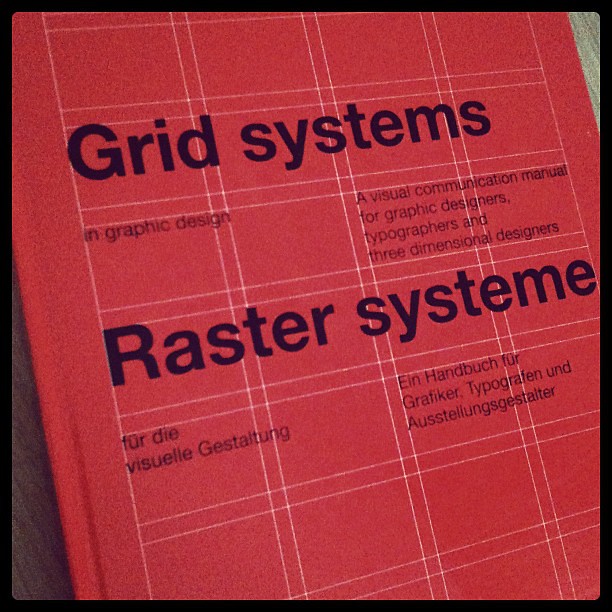
Magazine layouts rely heavily on grid systems to create visually appealing and well-structured designs. These grids serve as the foundational framework upon which all design elements are arranged, ensuring clarity, organization, and improved comprehension for the reader.
By directing the placement of text, images, and other elements, grid systems help designers achieve balance and harmony in their layouts. Leading magazine publishers and design professionals Magazine layout design services depend on grid systems to elevate the quality and consistency of their work. This article explores the key advantages of using grid systems in magazine design.
What is a Grid System?
Starting with the basics, a grid system consists of a series of consistent horizontal and vertical lines that divide a page into columns and rows. This structured framework acts as a map for positioning text, images, icons, and other design elements. Proper alignment and spacing are critical to maintaining coherence and ensuring the design flows seamlessly.
In magazine design specifically, grids maintain consistency while allowing for creative flexibility. Whether designing a single page or an entire publication, a well-defined grid ensures each element is placed precisely within its designated structural area.
Grid Systems as a Dynamic Element of Magazine Layouts
Grid systems are essential for organizing content clearly and making it easily understandable. They provide a dependable structure that helps designers create neat, polished layouts. This not only makes the magazine visually appealing but also improves user experience by allowing readers to effortlessly locate the information they are seeking.
Moreover, grids facilitate a smooth reading experience, especially when articles span multiple pages, by guiding the reader’s eye naturally across the content.
Advantages of Grid Systems in Magazine Layout: Consistency and Alignment
Grids enforce precise alignment and balanced margins, ensuring all elements relate proportionally to the overall design. When applied consistently, this enhances readability and produces a polished, professional finish that appeals to any audience.
Enhanced Visual Hierarchy
Grids allow designers to strategically position key elements—such as headlines, images, and callouts—in the most visually impactful areas. This creates an intuitive hierarchical structure that directs readers to the most important content in the intended order, improving communication effectiveness.
Faster Design Process
Having a predefined grid layout streamlines the design process by removing the need to repeatedly address alignment and structural decisions. This efficiency accelerates project timelines, enabling designers to handle multiple assignments simultaneously without sacrificing quality.
Final Thoughts
In conclusion, grid systems are a crucial component of effective magazine layout design services. Their advantages include faster project delivery, enhanced visual appeal, and consistent, high-quality output. By providing a solid structural foundation, grids help create engaging and relevant designs that attract and retain readers, ultimately boosting magazine readership and loyalty.