Introduction
The Google Pixel 6A and Pixel 7A are two exceptional smartphones designed to meet different user needs. This comprehensive comparison highlights their specifications, camera capabilities, display quality, battery performance, processors, connectivity options, and pricing.
Explore their distinctive features and discover which device offers the best value based on your preferences, usage, and budget.
| Feature | Pixel 6A | Pixel 7A |
| Display | 6.1-inch OLED, 60Hz, 2400 x 1080 resolution | 6.1-inch OLED, 90Hz, 2400 x 1080 resolution |
| Camera | 12.2 MP main, excellent software processing | 64 MP main, enhanced low-light and detail capture |
| Processor | Google Tensor (1st Gen) chipset | Upgraded Google Tensor G2 with improved AI & ML capabilities |
| Battery | 4,410 mAh, 18W fast charging | 4,410 mAh, optimized hardware for better efficiency, 18W fast charging |
| Storage | 128GB internal, no expandable storage | 128GB internal, no expandable storage |
| Operating System | Launched with Android 12, upgradable to Android 14 | Comes with Android 13, optimized for Android 14 |
| Connectivity | 5G, Wi-Fi 6, Bluetooth 5.2, NFC | 5G, Wi-Fi 6, Bluetooth 5.2, NFC, improved modem for faster network speeds |
| Networking | 5G Capable, Wi-Fi 6 support, Bluetooth 5.2 | Enhanced modem with improved 5G and Wi-Fi 6 performance |
| Color Options | Charcoal, Chalk, Sage | Charcoal, Snow, Sea |
| Pricing | Starting at $449 | Starting at $499 |
| Customer Reviews | Highly praised for affordability and solid performance | Loved for camera enhancements, smoother display, and faster performance |
Pixel 6a vs Pixel 7a: Meaningful Improvements in Google’s A-Series
The comparison between the Google Pixel 6a and Pixel 7a highlights how Google has refined its A-series lineup by building upon an already solid foundation. Both devices feature a similar compact design and a 6.1-inch OLED display, but the Pixel 7a improves the overall experience with a smoother refresh rate that enhances scrolling and everyday interactions. Performance also sees a step forward, as the Pixel 7a is powered by a newer Tensor chipset paired with increased RAM, resulting in better multitasking and responsiveness. Camera performance remains a key strength for both models, with the Pixel 7a offering upgraded camera hardware that delivers sharper images and improved low-light photography. These changes reflect Google’s focus on delivering premium-like features while maintaining the value appeal of the A-series.
The Pixel 6A and Pixel 7A
The Google Pixel 6A and Pixel 7A stand out as top contenders in the mid-range smartphone market. The Pixel 6A offers an affordable, reliable option for users seeking robust performance and great software support. Meanwhile, the Pixel 7A builds on this foundation, introducing advanced features such as a significantly improved camera system, enhanced processing power, and a higher refresh rate display.
These devices cater to users who want dependable smartphones with clean Android experiences and regular updates. Choosing between them depends on your specific requirements and budget.
Specifications
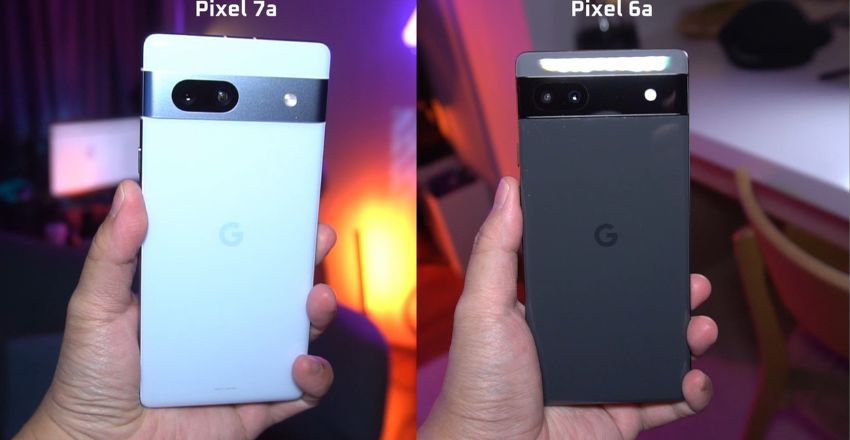
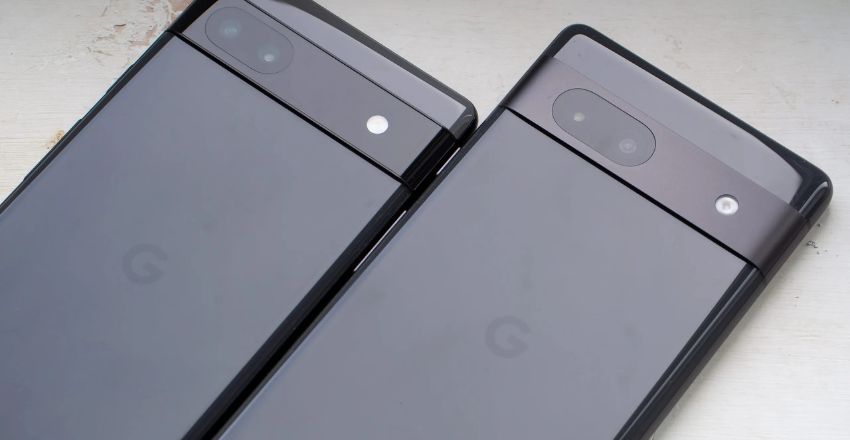
Both the Pixel 6A and Pixel 7A feature sleek designs with durable materials and a 6.1-inch OLED display. The key spec difference lies in the display refresh rate — 60Hz for the 6A and a smoother 90Hz on the 7A. Both phones run Google’s Tensor chips, with the 7A sporting the second generation Tensor G2, offering improved speed and efficiency.
Camera
Camera performance is a major upgrade on the Pixel 7A. It sports a 64 MP main sensor versus the 12.2 MP on the Pixel 6A, delivering sharper images with richer detail and better low-light performance. Both devices use Google’s renowned computational photography software, ensuring vibrant and well-balanced photos.
Display
Both smartphones use crisp OLED panels with 2400 x 1080 pixel resolution. The Pixel 7A’s 90Hz refresh rate results in more fluid animations and smoother scrolling compared to the Pixel 6A’s 60Hz screen, enhancing user experience, especially when gaming or browsing.
Processor
The Pixel 6A is powered by Google’s first-generation Tensor processor, which handles everyday tasks and moderate multitasking with ease. The Pixel 7A steps up to the Tensor G2 chipset, which incorporates enhanced AI and machine learning capabilities for faster app launches, improved voice recognition, and more efficient processing.
Battery
Both Pixel smartphones pack a 4,410 mAh battery that supports 18W fast charging. The Pixel 7A’s improved hardware efficiency helps it deliver slightly longer battery life in real-world usage compared to the Pixel 6A, making it better suited for heavy users.
Operating System & Updates
The Pixel 6A debuted with Android 12 and has been updated through Android 14. The Pixel 7A launches with Android 13 and is optimized for the latest Android release. Both models benefit from Google’s commitment to extended software support, including security updates and new features for at least three years.
Connectivity
Both smartphones offer robust connectivity options, including 5G support, Wi-Fi 6, Bluetooth 5.2, and NFC for easy pairing and contactless payments. The Pixel 7A features an upgraded modem that delivers faster and more reliable network speeds, enhancing online streaming and downloads.
Storage
Storage capacity is identical for both devices, offering 128GB of internal memory. Neither supports microSD card expansion, so managing storage or utilizing cloud services is essential for users with heavy storage needs.
Networking
Both devices support state-of-the-art networking standards including 5G and Wi-Fi 6 for smooth, high-speed connectivity. The Pixel 7A benefits from an enhanced modem that improves signal strength and data transfer speeds, providing a better online experience.
Color Variations
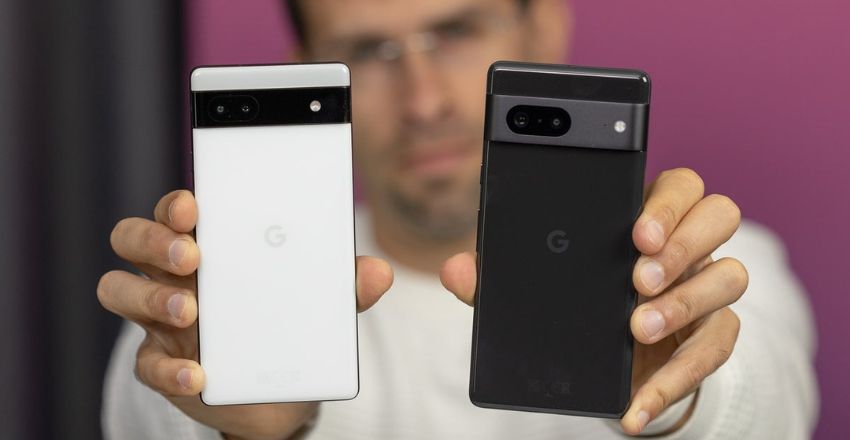
The Pixel 6A is available in three stylish colors: Charcoal, Chalk, and Sage. In contrast, the Pixel 7A offers more vibrant options including Charcoal, Snow, and Sea, appealing to users looking for a bit more personalization.
Pricing
The Pixel 6A maintains its position as a budget-friendly flagship, starting at $449. The Pixel 7A commands a slightly higher entry price of around $499, reflecting its enhanced features and improved hardware. Both devices deliver excellent value for mid-range smartphone buyers.
Customer Experience and Reviews
Customers consistently praise both the Pixel 6A and Pixel 7A for their clean Android user interface, reliable performance, and timely software updates. The Pixel 7A receives additional accolades for its upgraded camera, smoother display experience, and faster processing speeds. Meanwhile, the Pixel 6A is favored for its affordability and dependable day-to-day use.

Conclusion
In summary, the Google Pixel 6A and Pixel 7A are excellent smartphones offering strong features at competitive prices. The Pixel 7A stands out with its superior camera, upgraded processor, and smoother display, ideal for users seeking the latest enhancements. Meanwhile, the Pixel 6A delivers impressive value for budget-conscious buyers who want reliable performance and a clean Android experience.
For additional information about “Motorola Moto G Stylus 5G: A Budget-Friendly Smartphone with Great Features,” please visit our “Tech” category.
FAQs
The Pixel 7A features an upgraded 64 MP camera, a smoother 90Hz OLED display, and an improved Tensor G2 processor, compared to the Pixel 6A’s 12.2 MP camera, 60Hz screen, and original Tensor chip.
While both devices include a 4,410 mAh battery, the Pixel 7A’s more efficient hardware likely extends daily battery life beyond that of the Pixel 6A.
The Pixel 7A starts at approximately $499, whereas the Pixel 6A typically retails around $449.
The Pixel 7a generally delivers better camera performance due to upgraded camera hardware and improved image processing.
The Pixel 7a offers improvements in performance, display smoothness, and camera hardware, making it a more refined option compared to the Pixel 6a.