Introduction
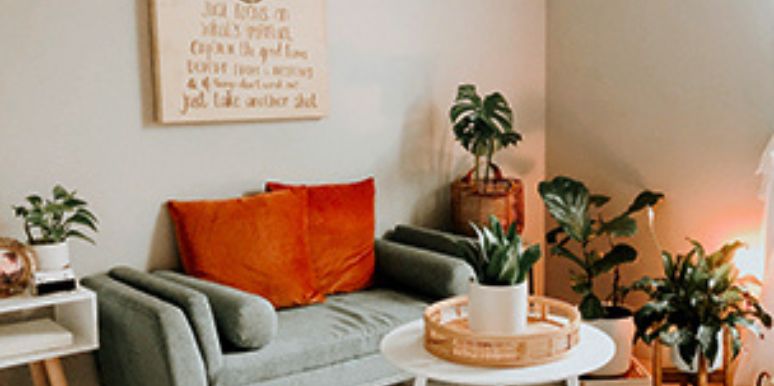
Off-white paint colors remain a top choice for homeowners and interior designers aiming to craft a soft, welcoming ambiance in any room. These adaptable shades illuminate spaces while providing a warm, neutral canvas that complements a broad array of styles and furnishings. Whether you prefer creamy undertones or cooler, muted hues, off-white paints open up endless design possibilities to elevate your home décor. In this comprehensive guide, we’ll delve into various off-white shades, their key benefits, and expert tips for selecting the perfect tone for your project.
Why Off-White Paint Colors Are a Timeless Choice
Off-white paint colors remain a popular selection for interior spaces because they strike the perfect balance between brightness and subtle warmth, making rooms feel more open yet inviting. Unlike stark white, off-white hues incorporate hints of cream, beige, or gray that help them blend seamlessly with a variety of décor styles—from traditional to modern—without overpowering the space. These adaptable tones also enhance natural light, improving the perception of space in smaller rooms, while providing an ideal neutral backdrop that complements both bold accent pieces and minimalist designs. Whether used on walls, trim, or ceilings, off-white paints deliver a sophisticated finish that can elevate the overall aesthetic of any home.
Off-White Paint Colors
Off-white paint colors are ideal for creating serene and airy environments. Spanning from warm creams to cool beige tones, these shades are incredibly versatile and suitable for any room or décor style. Off-white paints harmonize effortlessly with both bold and neutral accents, making them an excellent choice for walls, trims, or cabinetry. Their light-reflective qualities help small spaces appear larger and more inviting. Whether refreshing a compact bathroom or revitalizing a spacious living area, off-white paint colors enhance your home’s overall aesthetic with timeless elegance.
Popular Shades of Off-White
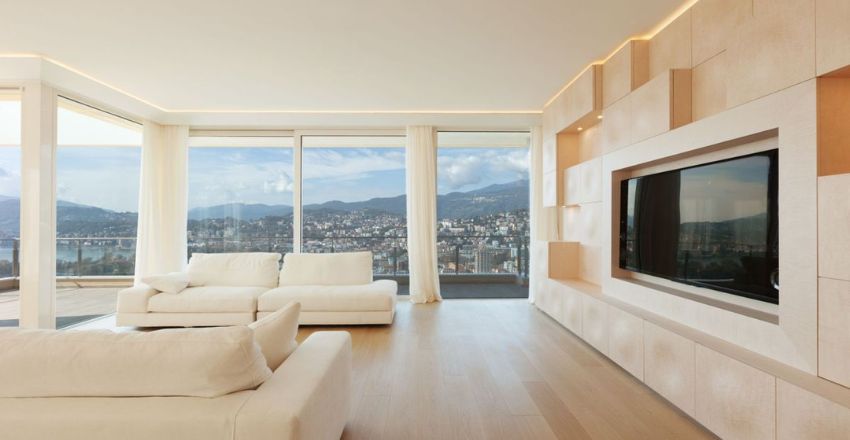
Off-white paint colors encompass a wide spectrum of shades, each bringing unique warmth and style to your space. Here are some of the most beloved off-white hues:
- Alabaster: A warm, creamy white that creates a cozy, inviting atmosphere.
- Bone: A slightly richer off-white with beige undertones, perfect for traditional or classic interiors.
- Snowbound: A cooler off-white that suits sleek, modern design themes.
- Ivory: A luxurious off-white with subtle yellow undertones offering an elegant feel.
- Cream: A soft buttery shade radiating warmth and comfort.
Each shade can evoke different moods, so it’s crucial to choose one aligned with your space’s overall aesthetic and ambiance.
Benefits
Choosing off-white paint colors offers numerous advantages. These tones pair effortlessly with an extensive range of colors and textures, giving you the flexibility to update your décor over time without repainting. Off-white paint reflects natural and artificial light effectively, making rooms appear larger, brighter, and more welcoming. Furthermore, off-white creates a calming, soothing environment, ideal for bedrooms, living rooms, and relaxation areas.
Off-White Paint Colors in Different Rooms
When choosing off-white paint for various rooms, consider how the shade complements that room’s function and lighting. Warm off-white tones lend a cozy, welcoming vibe to kitchens, especially paired with wooden cabinets and warm finishes. In living rooms, off-white provides a neutral yet elegant backdrop that makes furniture and artwork pop. Bedrooms benefit from off-white’s calming properties, creating a peaceful retreat conducive to rest and relaxation.
How to Choose the Right Off-White Paint Color?
Selecting the perfect off-white can be overwhelming due to the wide variety available. Begin by evaluating your room’s natural and artificial light, as lighting conditions can drastically change the appearance of paint colors throughout the day. Test paint samples on your walls at various times to see how they look in different lighting. Consider your existing furniture, flooring, and color accents to ensure the off-white shade you choose harmonizes well. Also, reflect on the ambiance you want to create — warmer off-whites add coziness, while cooler ones evoke calmness and modernity.
Testing Off-White Paint Colors
Before finalizing your choice, it’s essential to test off-white paint samples within your own space. Purchase small sample pots and paint swatches directly on your walls. Observe how each shade looks in morning, afternoon, and evening light, as well as how it interacts with your furniture and décor. This crucial step helps you avoid surprises and ensures you select an off-white hue that truly suits your environment and personal taste.

Off-White Paint Colors and Color Combinations
Off-white paint is incredibly versatile and pairs beautifully with many color schemes. For a timeless and sophisticated look, combine off-white with rich navy blue or deep charcoal grey. Softer palettes work well with pastels such as blush pink or sky blue for a gentle, airy vibe. For a fresh modern twist, accent off-white with vibrant colors like teal, mustard, or citrus tones. These combinations allow you to customize your space’s style while maintaining a cohesive and inviting atmosphere.
Off-White Paint Colors for Exterior Use
Off-white paint colors are an excellent choice not only for interiors but also for enhancing your home’s exterior appeal. Classic off-white exteriors provide a clean, timeless look that complements natural materials like wood, stone, or brick. When choosing an off-white for outdoor use, consider your home’s architectural style and surrounding landscape to create a harmonious appearance. Additionally, lighter off-white shades can help reflect heat, making them an energy-efficient option for homes in warmer climates.
Maintaining Off-White Paint Colors
Because off-white paint tends to show dirt and scuffs more readily than darker shades, regular maintenance is key to keeping walls looking fresh. Clean surfaces gently with mild soap and a soft cloth to remove marks without damaging the finish. For high-traffic areas like hallways or kitchens, consider paint finishes with satin or eggshell sheens, which are easier to clean and more resistant to stains than flat finishes, helping your off-white walls maintain their pristine look.
Historical Significance
Off-white paint colors have long been associated with classic elegance and timeless design. Historically, these subtle tones were favored in grand Victorian and Colonial homes to convey lightness, sophistication, and spaciousness. Their enduring popularity stems from their ability to blend seamlessly with a variety of architectural styles, bridging traditional and contemporary interiors.
Modern Design Trends
In modern interior design, off-white hues are celebrated for creating minimalist yet warm spaces. Popular in Scandinavian and contemporary designs, off-white maximizes natural light and complements clean lines and natural materials. The rise of open floor plans has further highlighted off-white’s role in establishing a cohesive flow between different areas while providing a subtle, inviting backdrop.
Impact
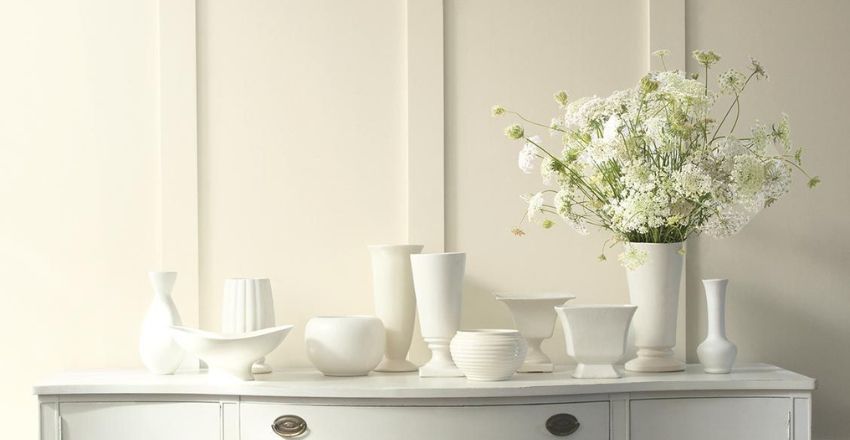
Off-white paint colors profoundly influence a room’s feel and functionality. These shades foster openness and brightness, visually expanding spaces to make them more welcoming. In compact or low-light areas—such as basements, powder rooms, or small apartments—off-white paint enhances natural and artificial lighting by reflecting it around the room, helping to alleviate feelings of confinement and creating a peaceful, airy environment.
Conclusion
Off-white paint colors are a versatile, timeless choice suitable for any home design style. Their broad spectrum of shades and undertones allows you to create a tranquil, elegant atmosphere tailored to any room. By considering lighting, existing décor, and the desired atmosphere, you can select the ideal off-white shade to elevate your space’s aesthetic. Whether for interior walls or exterior siding, off-white paints offer endless design possibilities that bring warmth, brightness, and harmony to your home.
For more information about “Comprehensive Guide to Cabinet Stains: Types, Application, and Best Practices”, please visit our “Home Improvement” category.
FAQs
Off-white colors evoke calmness and tranquility, making them ideal for bedrooms and relaxation spaces.
Yes, you can create custom off-white shades by mixing paints to achieve your desired warmth and tone.
Natural textures like wood, brick, and soft textiles complement off-white paint, adding depth and visual interest to your space.
Off-white paint colors are soft shades of white that include subtle undertones such as cream, beige, gray, or ivory.
Off-white contains added undertones that give it warmth or softness, while pure white is brighter and more neutral.