Introduction
Lewis Nixon III is a celebrated figure in military history, renowned for his bravery and leadership during World War II as part of the 101st Airborne Division’s Easy Company. As of 2024, Lewis Nixon’s estimated net worth stands at approximately $4,000,000.
This article offers a comprehensive overview of his remarkable life, detailing his military achievements, personal struggles, and financial legacy. Known for his intelligence, camaraderie, and strategic leadership, Nixon’s story inspires resilience and dedication beyond his wartime service.
Explore his early education, distinguished military career, post-war contributions, and lasting impact in this detailed guide.
Below is a summary table highlighting key details about Lewis Nixon’s life and legacy:
| Category | Details |
| Net Worth | $4,000,000 |
| Birth | September 30, 1918, New York City |
| Parents | Stanhope Wood Nixon and Doris Ryer Nixon |
| Grandfather | Lewis Nixon I, renowned naval architect and shipbuilder |
| Military Enlistment | January 1941, Trenton, New Jersey |
| Unit | Easy Company, 2nd Battalion, 506th Parachute Infantry Regiment, 101st Airborne Division |
| Military Role | Intelligence Officer (S-2) |
| Key Operations | D-Day (Normandy Invasion) Operation Market Garden Battle of the Bulge |
| Military Awards | Two Bronze Star Medals French Croix de Guerre |
| Personal Life | Married three times: Katharine Page (divorced) Grace Umezawa (third wife) |
| Challenges | Overcame alcoholism with support from his wife Grace |
| Height | 6 feet 2 inches |
| Age at Death | 76 years |
| Death | January 11, 1995, Los Angeles, California |
| Key Themes | Resilience, dedication, leadership, camaraderie |
A Legacy of Wealth: How Family Business Shaped Lewis Nixon’s Financial Footprint
Lewis Nixon’s financial standing was deeply rooted in the success and legacy of his family’s business endeavors, particularly Nixon Nitration Works, a prominent industrial enterprise that played a significant role in his economic profile and long-term wealth accumulation. Growing up in a well-established and affluent family, Nixon benefited not only from his military achievements but also from the substantial financial foundation provided by his family’s industrial operations and investments, which contributed to his post-war lifestyle and business roles. This blend of inherited affluence and post-service employment helped shape the financial narrative that many net worth profiles highlight when discussing Nixon’s overall economic status and business influence.
Lewis Nixon’s Net Worth
Determining Lewis Nixon’s exact net worth is challenging due to limited public financial disclosures. However, his estimated net worth is around $4 million as of 2024. Nixon’s family’s enterprise, Nixon Nitration Works, along with his post-war professional endeavors, contributed to his financial stability and comfortable lifestyle.
Overview of His Life and Legacy
Lewis Nixon III (1918–1995) was a prominent American officer whose World War II service left a lasting legacy. Known for his leadership and strategic intelligence skills, Nixon played a critical role in key battles, forging enduring friendships particularly with Major Richard Winters of Easy Company.
Early Education
Born on September 30, 1918, in New York City, Lewis Nixon III was the eldest son of Stanhope Wood Nixon and Doris Ryer Nixon. His grandfather, Lewis Nixon I, was a distinguished naval architect and shipbuilder, influencing the family’s prominence.
Nixon grew up in affluent surroundings, splitting his youth between New York City and Montecito, California. He traveled extensively throughout Europe, including Germany, France, and England. He attended the prestigious Cate School in Carpinteria, California, and later studied at Yale University for two years before enlisting in the military.
Military Career
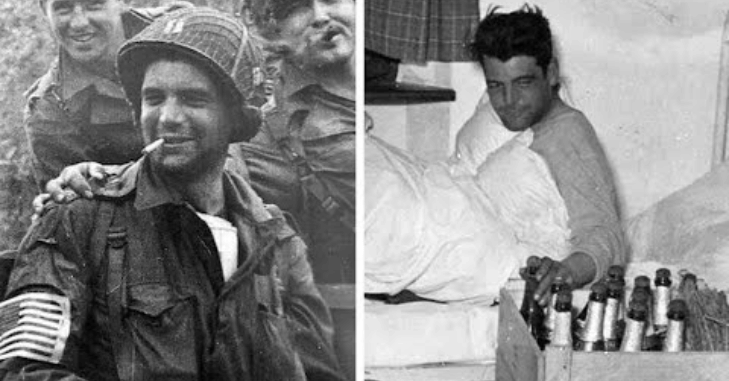
In January 1941, Nixon enlisted in the U.S. Army at Trenton, New Jersey. After graduating from Officer Candidate School, he was commissioned a second lieutenant and volunteered for the elite parachute infantry.
Nixon was assigned as the intelligence officer (S-2) of the 2nd Battalion, 506th Parachute Infantry Regiment, part of the 101st Airborne Division’s Easy Company. He participated in pivotal operations such as the D-Day Normandy invasion, Operation Market Garden, and the Battle of the Bulge.
His military service was distinguished by courage and effective leadership, earning him two Bronze Star Medals and the French Croix de Guerre.
Personal Life
Lewis Nixon’s personal life included multiple marriages and challenges. He first married Katharine Page on December 20, 1941, a union that eventually ended in divorce. His third marriage, in 1956, to Grace Umezawa—a Japanese-American who endured internment during World War II—brought him lasting stability and happiness. The couple remained married until Nixon’s death, and they had no children.
Post-War Career and Legacy
After his military service, Nixon returned to work at Nixon Nitration Works, the family business based in Edison, New Jersey. Though he struggled with alcoholism, he successfully overcame it with the unwavering support of his wife Grace.
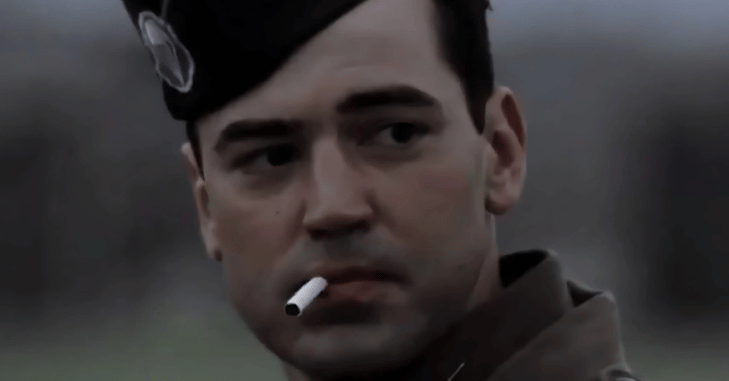
Historian Stephen E. Ambrose documented Nixon’s wartime experiences in the acclaimed book Band of Brothers, which was adapted into an HBO miniseries featuring Ron Livingston portraying Nixon. Lewis Nixon III passed away on January 11, 1995, in Los Angeles, California, due to complications from diabetes.
Physical Attributes
- Age at Death: 76 years
- Height: 6 feet 2 inches
- Weight: Approximately 180 lbs
Lewis Nixon’s Death
Lewis Nixon III died on January 11, 1995, in Los Angeles, California, at age 76. He suffered complications related to diabetes in his final years. Despite post-war hardships, including a battle with alcoholism, Nixon overcame these challenges, maintaining strong personal relationships, especially with his wife Grace.
Nixon’s significant role in 101st Airborne Division’s Easy Company continues to be honored through Stephen Ambrose’s Band of Brothers and its critically acclaimed HBO adaptation, cementing his legacy for future generations.
Awards and Honors
Throughout his military career, Lewis Nixon received several distinguished awards, including:
- Bronze Star Medal: Awarded for heroic and meritorious achievement in combat.
- Croix de Guerre (France): French military decoration recognizing acts of bravery during enemy engagement.
Conclusion
Lewis Nixon III’s life embodies service, resilience, and lasting friendship. With an estimated net worth of $4 million, his contributions during World War II with Easy Company earned him lasting recognition in both literature and film, preserving his influential legacy for generations to come.
For more information on “Matthias Schoenaert’s Relationship,” please visit our “Entertainment” category.
FAQs
Major Winters described Nixon as a laid-back and friendly officer — “a free spirit who enjoyed the outdoors and socializing with his comrades.”
Nixon achieved the rank of captain by the end of World War II. Although he spent extensive time on the front lines, he reportedly never fired a shot in direct combat.
Seeking different assignments, Nixon requested naval service and, on July 2, 1943, joined the South Pacific Combat Air Transport Command (SCAT) and Marine Aircraft Group 25.
Lewis Nixon was born into a financially established family, which helped him gain access to education, business opportunities, and leadership roles in industrial enterprises later in life.
Lewis Nixon was famous for his naval intelligence work, ship inspection expertise, and involvement in industrial manufacturing, particularly in explosives and chemical production during wartime periods.