
Introduction
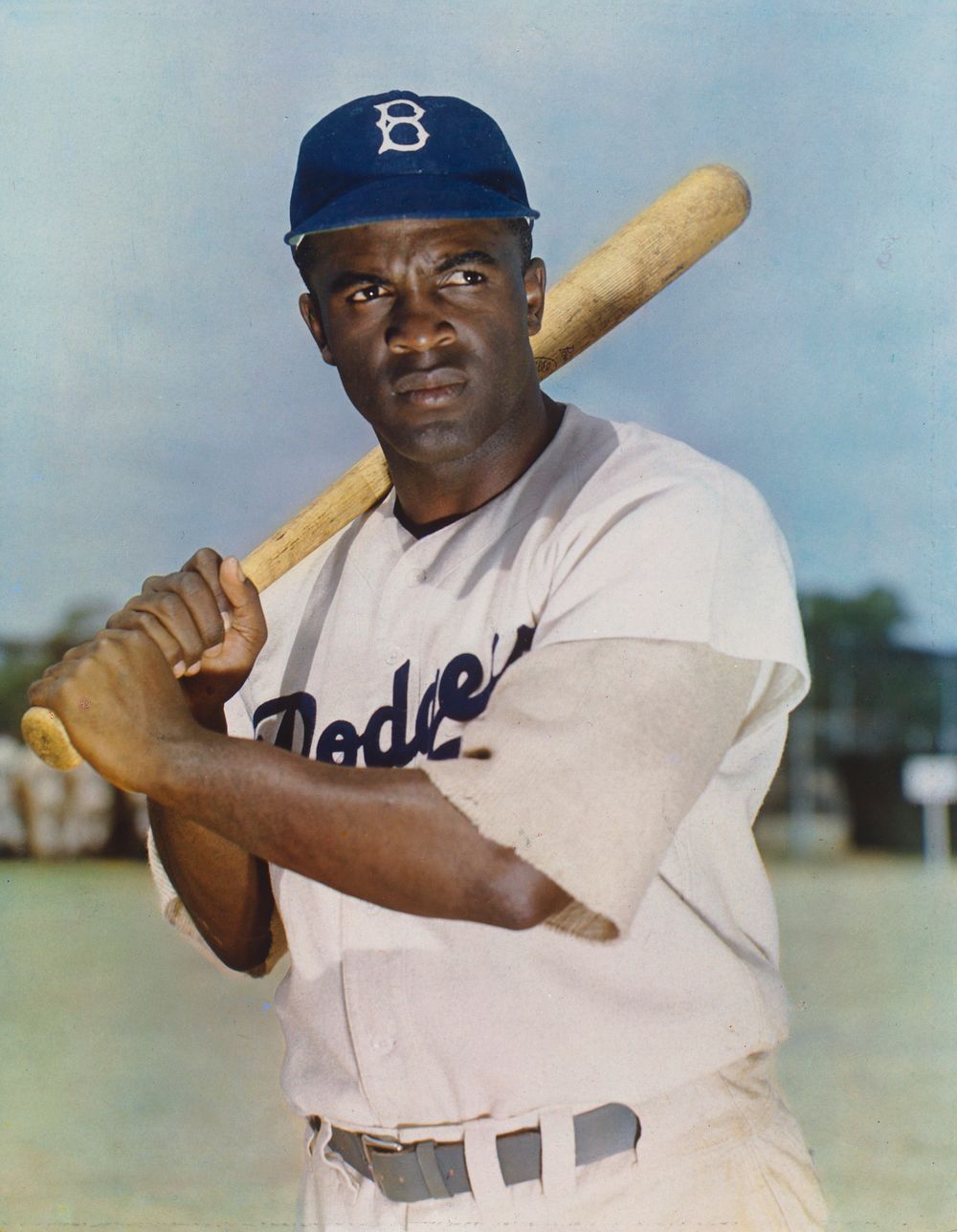
Jackie Robinson, a pioneer in Major League Baseball (MLB) and a key figure in the American civil rights movement, is celebrated for his historic achievements and lasting influence. His groundbreaking career and courageous fight against racial segregation forever changed sports and society. This comprehensive article explores how Jackie Robinson died, his major career milestones, net worth, health challenges, personal life, numerous awards, and the enduring legacy he left behind.
| Attribute | Details |
|---|---|
| Birthdate | January 31, 1919 |
| Birthplace | Cairo, Georgia, USA |
| Death Date | October 24, 1972 |
| Death Place | Stamford, Connecticut, USA |
| Cause of Death | Heart attack related to complications from diabetes and heart disease |
| Nationality | American |
| Net Worth | Approximately $6 million at the time of his death (equivalent to around $40 million in 2024 adjusted for inflation) |
| Age at Death | 53 years old |
| Physical Appearance | Height: 6 feet; Weight: 197 lbs (approx.) |
| Personal Life | Married Rachel Isum in 1946; three children |
| Career | Major League Baseball player; Hall of Famer; first African American to play in MLB in the modern era |
| Additional Information | Famous for breaking the MLB color barrier with the Brooklyn Dodgers; influential civil rights advocate |
How Did Jackie Robinson Die?
Jackie Robinson passed away on October 24, 1972, at 53 years old. His death was caused by a heart attack linked to long-term complications from diabetes and heart disease. Robinson had struggled with these health problems for several years, which significantly affected his quality of life in his final months. He was hospitalized shortly before his death. His passing marked a tremendous loss for both the athletic community and civil rights advocates nationwide.
Jackie Robinson’s Health Challenges
Jackie Robinson’s later years were marked by significant health challenges, primarily stemming from his longstanding battle with diabetes. Over time, this chronic condition led to severe complications, including heart disease. Despite his charisma and determination, Robinson found himself grappling with the physical toll of these health issues, which ultimately required hospitalization in the months leading up to his death. His struggles serve as a poignant reminder of the impact chronic health conditions can have, even on those who have achieved monumental success and made lasting contributions to society. Robinson’s resilience in facing these challenges reflects his spirit both on and off the baseball field.
Movies and Media Portrayals
Jackie Robinson’s life story and career have been immortalized in several notable films and documentaries, inspiring audiences worldwide:
- “42” (2013): A critically acclaimed biographical film directed by Brian Helgeland, starring Chadwick Boseman as Jackie Robinson. The movie vividly depicts Robinson’s historic journey to breaking Major League Baseball’s color barrier.
- “Jackie Robinson” (2016): A detailed PBS documentary from the “American Masters” series that explores Robinson’s life, his profound impact on baseball, and his pivotal role in advancing civil rights.
Jackie Robinson’s Career
Jackie Robinson’s career is marked by extraordinary achievements and influential contributions both on and off the baseball field:
1. Early Life and Baseball Beginnings
- High School and College: Robinson was a standout athlete at Pasadena Junior College and UCLA, excelling in multiple sports including baseball, basketball, football, and track.
- Minor Leagues and Negro Leagues: Before his MLB debut, Robinson played for the Kansas City Monarchs in the Negro Leagues and then for the Montreal Royals, the Dodgers’ minor league affiliate, where he demonstrated exceptional skill and resilience.

2. Major League Baseball Career
- Brooklyn Dodgers (1947–1956): On April 15, 1947, Robinson shattered the baseball color barrier by debuting with the Brooklyn Dodgers. He earned the National League Rookie of the Year award in his debut season and was named the National League Most Valuable Player (MVP) in 1949.
- Career Highlights: A six-time MLB All-Star, Robinson played a pivotal role in the Dodgers winning the 1955 World Series. He concluded his career with a .311 batting average, 137 home runs, and 758 runs batted in (RBIs).
3. Post-Baseball Career
- Business Achievements: After retiring, Robinson became the first African American vice president of a major national corporation, Chock Full o’Nuts, breaking racial barriers in business leadership. He also engaged in multiple entrepreneurial ventures.
- Civil Rights Advocacy & Public Speaking: Throughout his post-baseball life, Robinson remained an outspoken advocate for civil rights, tirelessly campaigning for racial equality and social justice through public speaking and activism.
Net Worth and Sources of Income
At the time of his passing, Jackie Robinson’s net worth was estimated at approximately $6 million, which would be roughly $40 million in today’s dollars after adjusting for inflation. His wealth was built through multiple avenues:
- Baseball Earnings: Robinson earned a competitive salary during his successful MLB career with the Brooklyn Dodgers.
- Endorsements & Business Roles: His endorsement deals, corporate roles, notably his groundbreaking executive position at Chock Full o’Nuts, and entrepreneurial activities significantly boosted his financial portfolio.
Last Health Reports
In the final months before his death, Jackie Robinson’s health declined steadily. His battle with diabetes led to severe complications, including heart disease, which required hospitalization. Despite receiving medical care, his health worsened, culminating in the fatal heart attack in October 1972.
Legacy
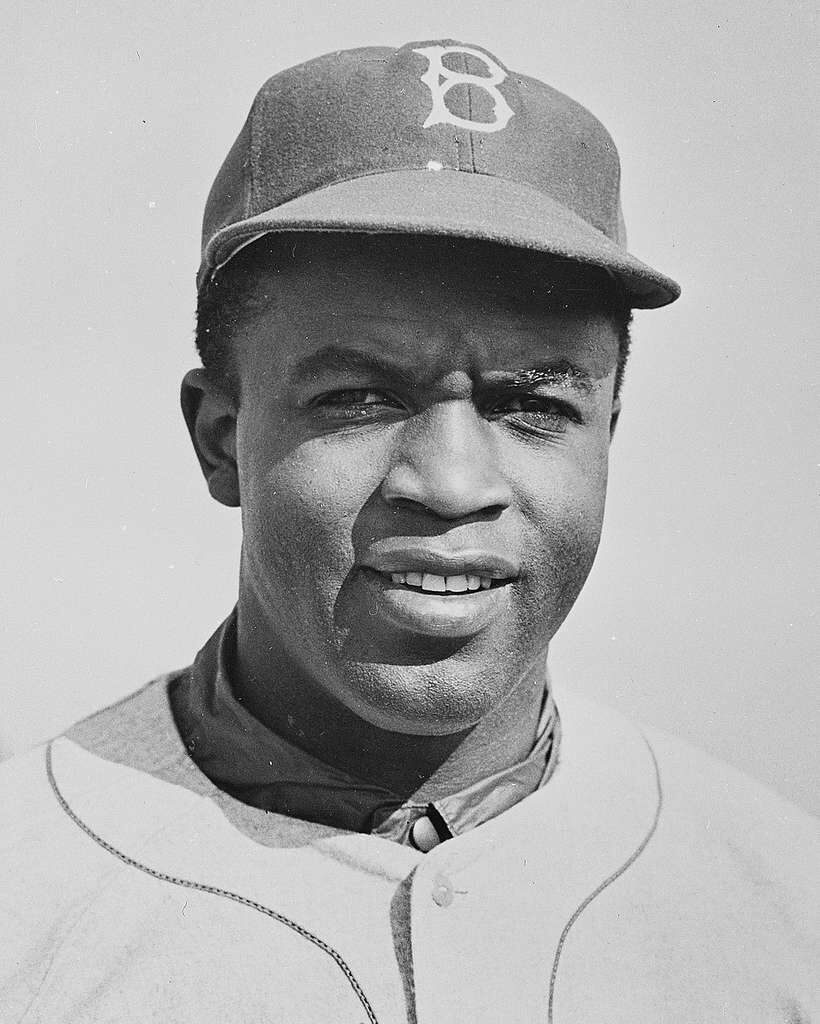
Jackie Robinson’s legacy transcends his athletic accomplishments and continues to influence sports, civil rights, and education:
- Impact on Civil Rights: Robinson’s courageous breaking of the MLB color barrier served as a catalyst for the broader civil rights movement. His determination and leadership paved the way for African American athletes and inspired social progress.
- Jackie Robinson Foundation: Founded in 1973, the foundation champions educational and leadership opportunities for minority students, perpetuating Robinson’s lifelong commitment to equality, empowerment, and social change social.
- Cultural Influence: Robinson’s story symbolizes resilience and social change, inspiring numerous books, films, documentaries, and public commemorations that celebrate his role in transforming American culture.
Health Issues
Later in life, Jackie Robinson battled significant health challenges, most notably diabetes. This chronic condition led to severe complications including heart disease, which critically impacted his life expectancy. Despite efforts to manage these ailments, they ultimately contributed to his untimely death.
Personal Life
Family
- Marriage: Jackie Robinson married Rachel Isum in 1946. They shared a lifelong partnership, with Rachel providing steadfast support through his career and civil rights activism.
- Children: The Robinsons had three children: Jackie Robinson Jr., Sharon Robinson, and David Robinson. His family continues to uphold and promote his legacy through various charitable and educational efforts.
Health Challenges
Robinson’s struggle with diabetes was a critical health challenge in his later years, affecting his overall wellbeing and leading to cardiovascular complications that ultimately caused his premature passing.
Awards and Honors
During his lifetime and posthumously, Jackie Robinson received numerous prestigious awards recognizing his groundbreaking sports career and social impact:
- Baseball Hall of Fame: Inducted in 1962, Robinson was the first African American player to be honored in Cooperstown.
- Presidential Medal of Freedom: Awarded posthumously in 1984 by President Ronald Reagan for Robinson’s significant contributions to American society and civil rights.
- Congressional Gold Medal: In 1997, Robinson received the Congressional Gold Medal, one of the highest civilian honors in the U.S., recognizing his civil rights leadership and trailblazing baseball career.
Conclusion
Jackie Robinson’s remarkable influence spans sports, business, and social justice. His historic role in integrating Major League Baseball and his lifelong dedication to civil rights have left an indelible mark on American history. The Jackie Robinson Foundation and numerous memorials continue to celebrate his legacy, inspiring new generations to pursue excellence, equality, and justice. Robinson’s life exemplifies breaking barriers and championing civil rights despite formidable challenges.
Are you interested in exploring an inspiring article on “Corey Feldman’s Net Worth“? Visit our “Entertainment” category for more insightful stories and information.
FAQs
After retiring from baseball, Jackie Robinson became the first African American vice president of a major corporation, Chock Full o’Nuts. He also participated in various business ventures and was active as a public speaker.
Robinson’s family honors his legacy through initiatives like the Jackie Robinson Foundation, which supports educational opportunities for minority students. His children, especially Sharon Robinson, actively preserve and promote his memory and contributions.
Established in 1973, the Jackie Robinson Foundation provides scholarships and leadership training to minority students seeking higher education, upholding Robinson’s legacy of leadership and social justice.
Robinson’s jersey number 42 was retired across all MLB teams in 1997 to honor his historic impact on baseball and civil rights. April 15 is celebrated annually as Jackie Robinson Day, when players wear number 42 to commemorate his legacy.
Jackie Robinson was a pivotal figure in the civil rights movement, breaking Major League Baseball’s color barrier and serving as an inspiration for racial equality. His courage and activism helped pave the way for future African American athletes.

