The issue of AFFF (Aqueous Film-Forming Foam) contamination is vital for understanding the far-reaching consequences of exposure to per- and polyfluoroalkyl substances (PFAS).
PFAS, often called “forever chemicals,” refer to a group of more than 14,000 synthetic chemicals widely used across various industries and consumer products due to their resistance to heat, water, and oil. As reported by Nature, their extreme persistence in the environment raises significant health and environmental concerns.
Among the most well-known PFAS are perfluorooctanesulfonic acid (PFOS) and perfluorooctanoic acid (PFOA), both of which have been restricted globally under the Stockholm Convention because of their toxicity and long-lasting presence in ecosystems.
Regulatory bodies around the world are establishing strict limits on PFAS concentrations in drinking water to protect public health. For example, Health Canada recommends a maximum combined PFAS concentration of less than 30 ng/L, while the US EPA has set much stricter individual limits of 4 ng/L for PFOS and PFOA each.
As scientific understanding of PFAS toxicity expands, individuals concerned about AFFF contamination must take proactive measures to reduce exposure and safeguard their health.
Identify Exposure Sources
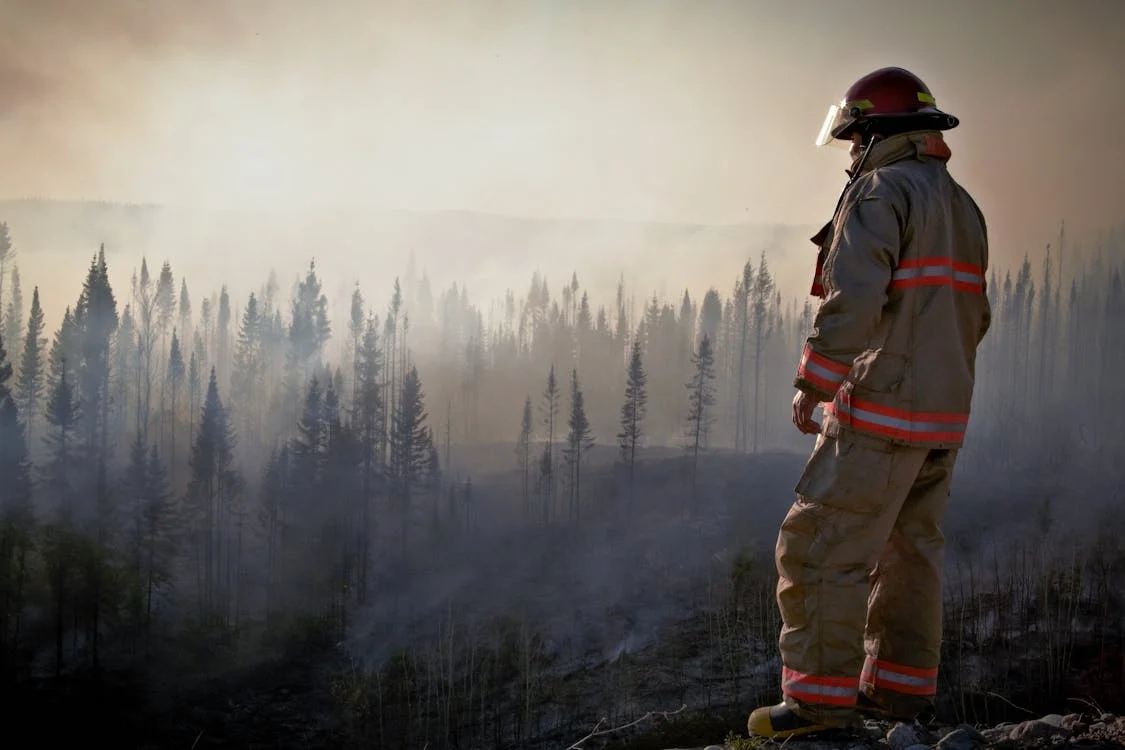
AFFF is a specialized fire suppressant formulated to extinguish flammable liquid fires and is extensively used across military bases, firefighting training centers, aviation operations, chemical plants, oil refineries, and municipal fire departments.
ConsumerNotice.org highlights that major manufacturers like 3M have produced AFFF foam for decades. Firefighters, military personnel, and workers in these industries face heightened risks of chronic exposure to the PFAS contained in AFFF.
Additionally, residents living near sites where AFFF is used—such as military installations or industrial facilities—are vulnerable to environmental contamination from leaks that can seep into soil and local water supplies.
Scientific studies consistently find elevated PFAS concentrations in the bloodstreams of individuals with occupational exposure or those residing near AFFF-affected zones, underscoring the need for exposure awareness.
Recognizing the common environments where AFFF is deployed enables individuals to evaluate their exposure risks more accurately and take preventive measures to safeguard their health.
Seek Medical Attention
If you suspect you have been exposed to AFFF, it is essential to pursue a comprehensive medical evaluation. Current research links PFAS exposure to several adverse health effects, including:
- Reproductive issues such as decreased fertility and elevated blood pressure during pregnancy.
- Developmental problems, including low birth weight, skeletal variations, early puberty, and behavioral changes in children.
- Increased risk of cancers, specifically prostate, kidney, and testicular cancers.
- Impaired immune system functionality, resulting in reduced infection resistance and diminished vaccine efficacy.
- Hormonal disruptions affecting natural endocrine processes.
- Metabolic disorders, including elevated cholesterol levels and increased obesity risk.
It is important to understand that linking specific health conditions directly to PFAS exposure can be complex due to the multitude of PFAS compounds and varying exposure levels.
Consulting with healthcare professionals knowledgeable about PFAS can provide valuable insights and help implement effective health management strategies.
What Are the Neurological Effects of AFFF Exposure?
AFFF exposure may cause neurological symptoms such as headaches, dizziness, confusion, memory impairments, and difficulty concentrating. These symptoms can significantly disrupt daily life and overall quality of life. Prolonged or intense exposure may result in more severe, long-lasting neurological issues.
Research Legal Rights and Consult with an Attorney
With growing public awareness of PFAS-related harms, many affected individuals are exploring legal avenues to seek compensation from manufacturers and responsible parties.
As reported by Forbes, although AFFF has been produced since the 1960s, significant legal actions against manufacturers only gained traction following the EPA’s 2009 acknowledgment of the potential cancer risks linked to AFFF exposure. Prior to this, the health dangers were lesser-known to the public.
Moreover, evidence revealing that companies like 3M and DuPont were aware of the toxicity of their products for decades has bolstered negligence claims. As of June 2024, nearly 10,000 lawsuits related to AFFF exposure are active within multidistrict litigation, reflecting the widespread impact and concern.
The potential AFFF lawsuit settlement amounts compensation varies widely depending on factors such as the severity of health conditions and degree of exposure, as well as case-specific details.
According to TorHoerman Law, settlements for individuals suffering from severe AFFF-related health effects may range between $200,000 and $500,000. Consulting an attorney experienced in environmental contamination cases is critical to navigating legal options effectively.
What Replaces AFFF Foam?
In response to environmental and health concerns, AFFF is increasingly being replaced by more eco-friendly fire suppression agents. These include fluorine-free foam concentrates, protein-based foams, and advanced water mist systems, which provide comparable firefighting effectiveness with significantly reduced PFAS contamination risks.
Who Manufactures AFFF?
Key manufacturers of AFFF include 3M, DuPont, Ansul (a subsidiary of Tyco International), and Chemguard. These companies have supplied AFFF for military, firefighting, and industrial purposes. However, ongoing concerns about PFAS contamination have increased scrutiny and legal challenges against these manufacturers concerning product safety.
Advocate for Change
Engaging with local advocacy groups is a powerful way to increase public awareness of AFFF contamination and push for stronger regulatory reforms. Collaborative efforts amplify the voices of affected communities and encourage policymakers to take decisive action.
For example, Hawaii News Now reports that Board of Water Supply Chief Engineer Ernie Lau joined water advocates at a Red Hill protest to demand immediate action from the Navy following a recent AFFF spill. Lau emphasized the threat posed by “forever chemicals” to Hawaii’s vital aquifer.
He also expressed a firm commitment to holding responsible parties accountable. Lau’s involvement with groups like Oahu Water Protectors highlights the importance of community-driven advocacy in driving accountability and fostering essential regulatory changes.
Addressing AFFF contamination requires a proactive and multifaceted approach. Seeking medical evaluations, collecting evidence, consulting legal experts, and advocating for policy reform are essential steps toward achieving justice, preventing future contamination, and protecting public health and the environment.
Want to know about ‘Exploring the Timeless Appeal of Fashion‘? Check out our ‘Fashion‘ category.