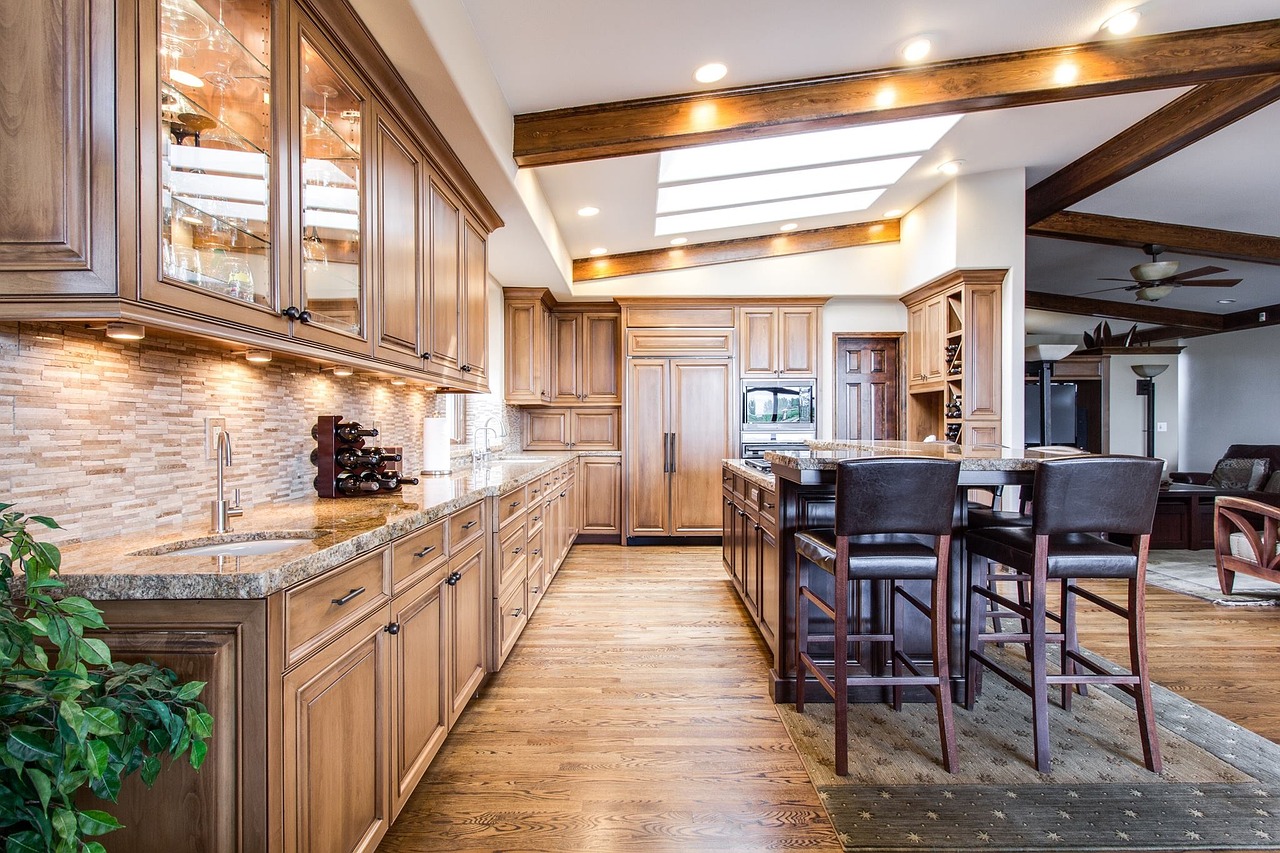
Interior design is an ever-evolving field that blends aesthetic vision with functional space planning. Various styles have emerged, each with its unique features, influences, and materials. The choice of materials is crucial to creating a space that looks and feels authentic to its design style. Let’s explore some popular interior design styles and the materials that define them. Top Benefits of the Best Interior Design Diploma Course is a useful companion read here.
Modern Style
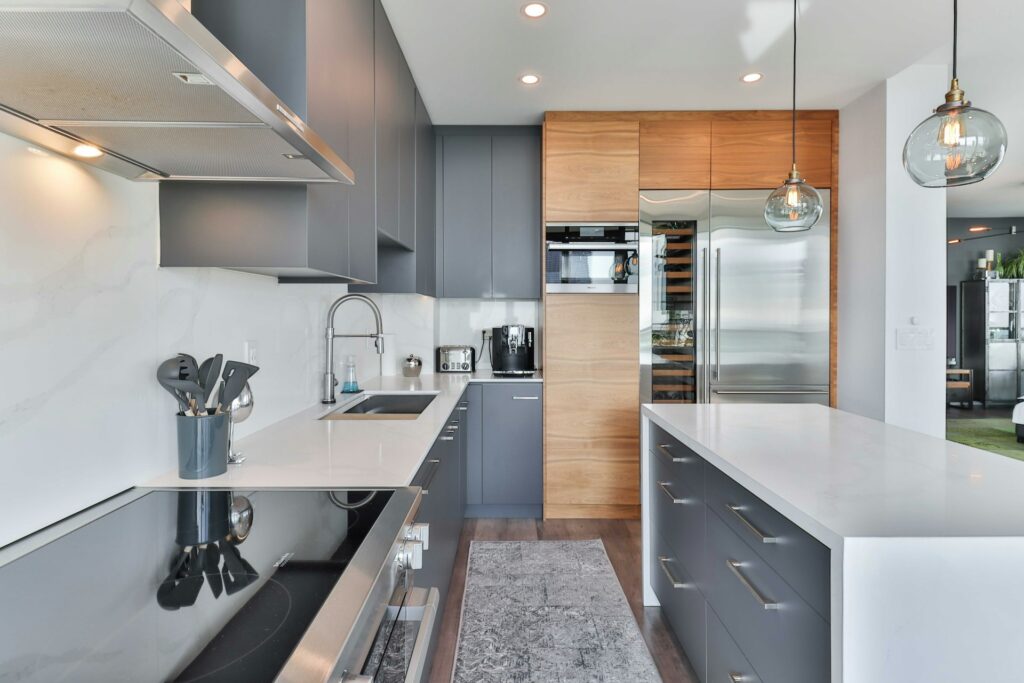
Modern design, which emerged in the early 20th century, is characterized by clean lines, simplicity, and functionality. The style focuses on minimalism, open spaces, and neutral color palettes.
Characteristic Materials:
Glass: Large windows and partitions emphasize natural light and openness.
Steel: Used in furniture frames, light fixtures, and even architectural elements for a sleek, industrial touch.
Concrete: Often used for floors, walls, and countertops to reinforce the minimalist aesthetic.
Leather: Popular in furniture for its clean, sophisticated look.
Mid-Century Modern Style
Mid-century modern, a design style that flourished from the 1940s to the 1960s, is marked by organic shapes, natural materials, and a seamless blend of indoor and outdoor spaces.
Characteristic Materials:
Wood (Teak, Walnut): Warm wood tones in furniture, wall panelling, and flooring are key features.
Plastic: Molded plastic in furniture became popular for its versatility.
Glass: Minimalistic, large glass windows to connect with nature.
Metal: Used in furniture legs, fixtures, and decor to balance textures.
Scandinavian Style
Scandinavian design is known for its functionality, simplicity, and focus on comfort, often called “hygge.” The style favours light, neutral tones and is deeply rooted in nature and craftsmanship.
Characteristic Materials:
Light Wood (Birch, Pine): Light-colored woods dominate floors, furniture, and ceilings to create an airy and bright space.
Wool and Cotton: Textiles like woollen rugs, throws, and cushions enhance warmth and cosiness.
Ceramic: Simple, white ceramic pieces for decor, lighting, or dinnerware contribute to the clean, minimalist aesthetic.
Leather: Soft, tan leather used in chairs or sofas adds a layer of warmth and natural texture.
Industrial Style
Inspired by warehouses and factories, the industrial style emphasizes raw, rugged materials and an unfinished look. This style exposes what’s usually hidden: pipes, beams, and ductwork.
Characteristic Materials:
Exposed Brick: Often left raw or painted for a rough texture and colour.
Steel and Iron: Metal beams, exposed pipes, and metallic finishes on furniture and light fixtures are key.
Concrete: Floors, countertops, and even walls made from concrete add to the raw, unfinished aesthetic.
Reclaimed Wood: Aged, distressed wood is frequently used for furniture, flooring, or accents, balancing the harshness of metals.
Bohemian Style
Bohemian, or “boho,” style is about personal expression, mixing patterns, textures, and colours. It’s eclectic and creative, with influences from different cultures and eras.
Characteristic Materials:
Natural Fibers (Rattan, Jute, Sisal): These materials are common in furniture and decor items like rugs and baskets.
Woven Textiles: Layered fabrics with intricate patterns, such as tapestries, cushions, and throws, are key to creating a cosy, lived-in look.
Macramé: Handmade macramé pieces in wall art, planters, and light fixtures.
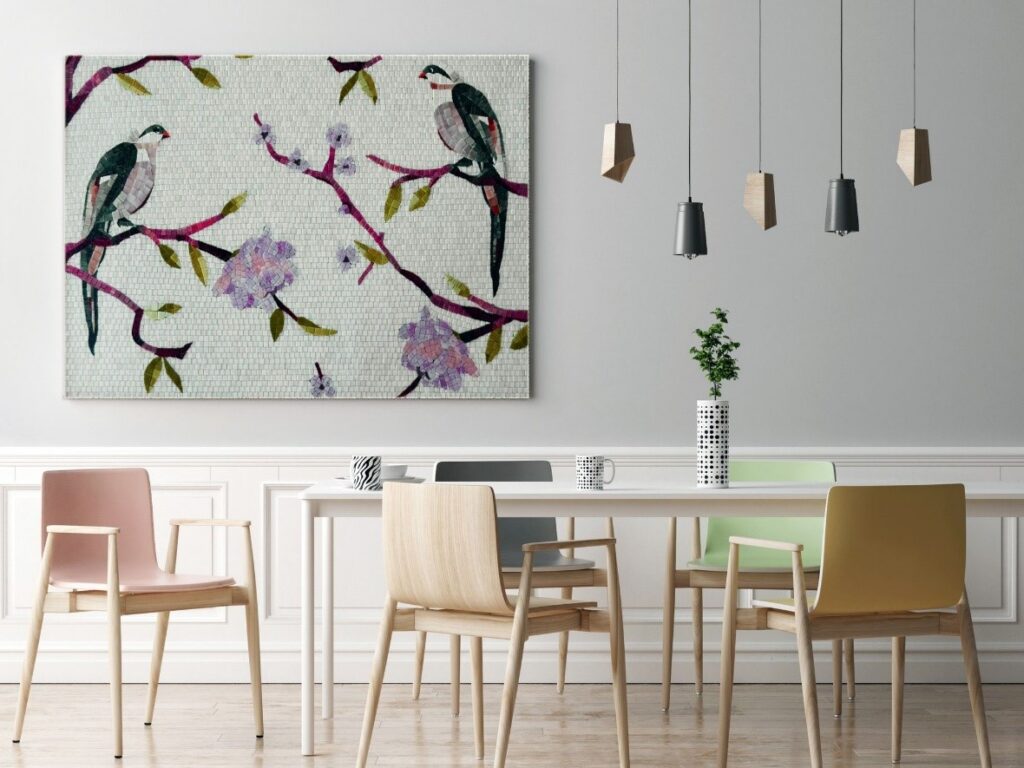
Global Influences: Handcrafted items worldwide, such as Moroccan rugs, Indian textiles, and mosaic art, contribute to the eclectic feel.
Farmhouse Style
The farmhouse style is a comfortable, rustic design that draws inspiration from rural homes. It emphasizes practicality and simplicity with a touch of vintage charm.
Characteristic Materials:
Reclaimed Wood: Rustic, weathered wood is a key feature, and it is used in everything from ceiling beams to furniture.
Shiplap: Horizontal wooden panelling is often used on walls to give a rustic feel.
Iron and Metal: Light fixtures and blackened iron or brushed nickel decor add an industrial edge.
Natural Fabrics: Linen and cotton in neutral tones dominate in curtains, cushions, and upholstery, offering a light and airy feel.
Coastal Style
Inspired by beach houses and the seaside, the coastal style aims to evoke the feeling of being by the ocean. It’s light and breezy and often features natural materials that reflect coastal living.
Characteristic Materials:
Light Wood (Driftwood, Whitewashed Wood): Whitewashed or light wood finishes in furniture and flooring give off a weathered, sun-bleached look.
Rattan and Wicker: These materials are often used in furniture and decor, reflecting a relaxed, beachy vibe.
Linen: Light, breathable fabrics like linen are used for curtains, sofas, and pillows.
Shells and Coral: Natural elements from the ocean, such as seashells and coral, are used as decorative accents to enhance the coastal theme. Consider mixing them with sea-themed mosaic patterns to add more depth and dimension.
Minimalist Style
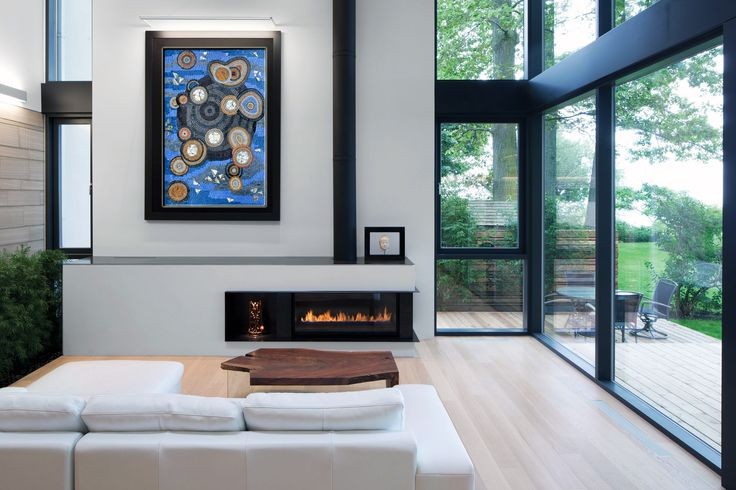
Minimalism is about paring down to the essentials, focusing on simplicity, and creating a serene and uncluttered space. It’s often linked to modernism but emphasizes more restraint in material choice and decor.
Characteristic Materials:
Concrete: Polished concrete floors or countertops contribute to the clean, uncluttered look.
Glass: Large windows or minimalistic glass furniture pieces add to the openness of the space.
Natural Stone: Marble, granite, or slate are used sparingly for surfaces, adding elegance without overwhelming the space.
Neutral Fabrics: Simple, plain fabrics in monochromatic colours, such as cotton or linen, enhance the clean, streamlined aesthetic.
Traditional Style
Traditional design is rooted in European decor and is all about rich, classic, and timeless elements. It focuses on symmetry, detailed woodwork, and rich colours and patterns.
Characteristic Materials:
Dark Wood (Mahogany, Cherry): Dark, polished wood for furniture and cabinetry is a hallmark of traditional design.
Silk and Velvet: Luxurious fabrics like silk drapes and velvet upholstery are commonly used in living rooms and bedrooms.
Marble: Floors, fireplaces, and countertops in marble or other luxurious stone convey elegance.
Brass: Classic brass or gold fixtures and hardware add a touch of luxury to the space.
Apart from that, if you want to read more articles, please visit our “Home Improvement” Category.